

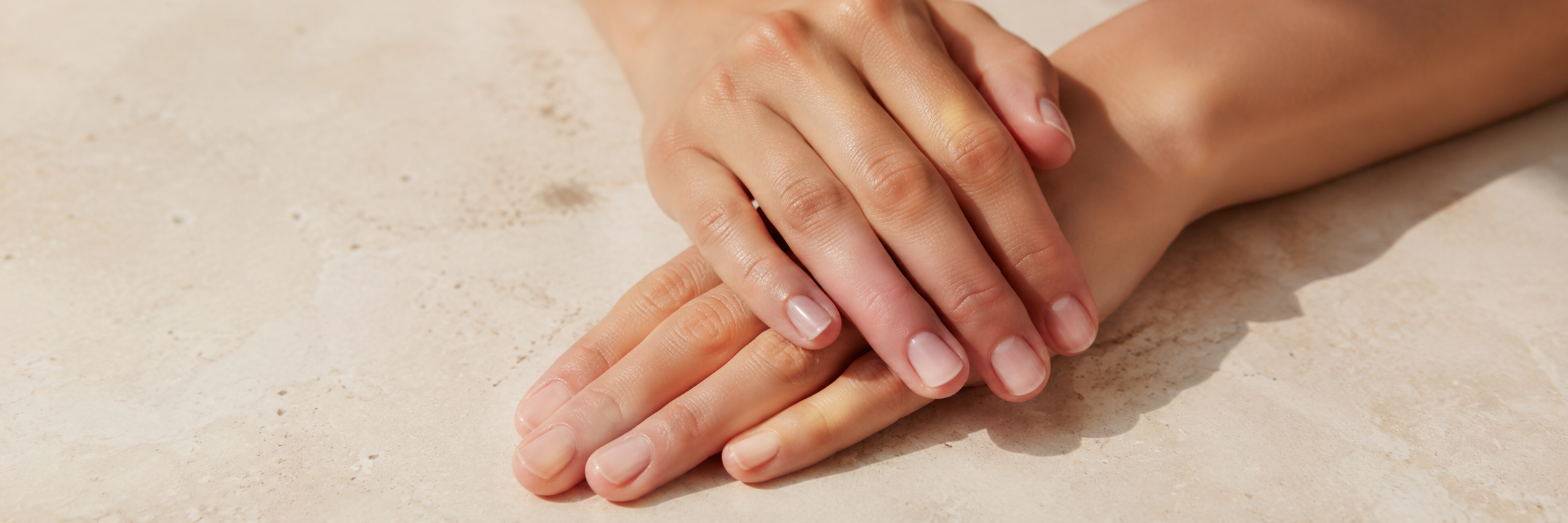
Hands just get on with it. Always.
They don't ask whether you have time right now. They grip, wash, clean, cook, care, build and carry – every day, without a break. For many people, intensive work with their hands is a fixed part of daily life: cooks who handle water and food for hours on end. Carers who disinfect their hands dozens of times a day. Parents juggling nappies, washing up and the garden. Athletes whose hands are put to the test every day on climbing walls or sports equipment. Or simply people who do a lot around the house and garden.
At some point, hands demand back what they are owed. And that usually shows up as dry, rough or cracked skin that feels tight and uncomfortable. It doesn't have to be that way – and with the right routine it's easy to change.
Why do heavily used hands suffer so much?
The skin on our hands is naturally thinner than on other parts of the body and has significantly fewer sebaceous glands. That means it is less able to supply itself with moisture than, for example, the skin on the back or legs. At the same time, hands are constantly exposed to external influences that attack their natural protective barrier.

Frequent hand washing
Water dissolves the natural fats from the skin, especially hot water combined with aggressive soap. Anyone who washes their hands twenty times a day systematically strips away the skin's protective barrier. What remains is skin that dries out, feels tight and eventually cracks.
Chemicals and cleaning products
Washing-up liquid, disinfectants, paints, oils or garden soil – all of these draw moisture from the skin and attack its natural structure. Many of these substances penetrate deep into the skin layers and impair regeneration from within.
Mechanical strain
Gripping, pressing, rubbing – the mechanical stress causes the skin to thicken and form calluses at certain points, especially on fingertips, palms and knuckles. What initially seems like protection can become a burden over time: too much callus is inelastic, cracks and hurts.
Cold and dry air
In winter, heavily used hands fight on two fronts at once: the cold outside and the dry heating air inside both draw moisture from the skin simultaneously. The result is cracked knuckles and fingertips – a classic that many people know.
The most common mistakes in hand care
Many people make similar mistakes when it comes to hand care – usually unconsciously and without any bad intention. Here are the most common ones:

Cleaning too aggressively
Normal washing-up liquid on the hands, hot water, strong soaps – this strips the skin of its fats extremely effectively. Anyone who works a lot with their hands every day does them a favour by switching to mild, pH-neutral soaps and turning the water temperature down a little.
Applying cream at the wrong moment
Many people apply cream briefly and then wash their hands again shortly afterwards. The cream has no chance to absorb. The best moment is directly after washing and drying: the skin is still slightly damp and absorbs active ingredients particularly well.
Treating cuticles incorrectly
The cuticle protects the nail fold from bacteria and infections – so it has an important function. Anyone who tears, bites or works on it with sharp instruments risks inflammation and pain. Treated properly, it not only looks well-groomed but also continues to fulfil its protective function.
What really helps – the right routine for hands in constant use
A good hand routine doesn't have to be complicated. It just has to be regular. Here is an approach that works even when time is short – and delivers visible results.
Step 1 – Clean gently
Mild soaps, lukewarm water, pat dry instead of rubbing. That sounds simple, but these small adjustments noticeably protect the skin – especially when you wash your hands frequently.
Step 2 – Treat cuticles and calluses gently
Thickened cuticles and calluses on fingertips or palms are common with heavily used hands. Reaching for scissors or a nail file is often too aggressive and irritates the skin further – especially when it is already under strain.
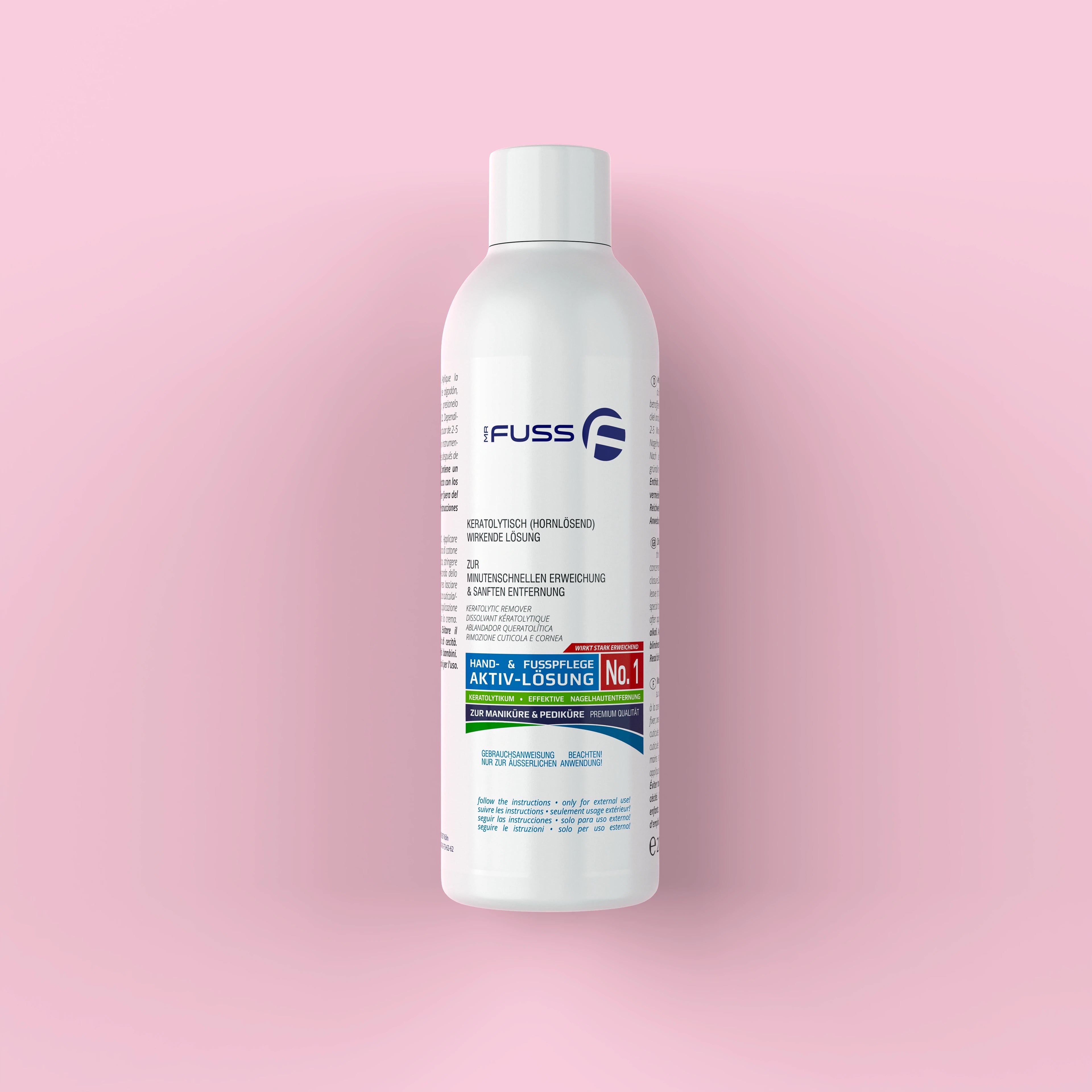
Mr. Fuss Tip: The Active Solution No. 1 does exactly that without cutting, rubbing or sharp instruments. The keratolytically active formula softens dead skin and cuticles in just a few minutes, so they can be removed effortlessly. For hands that already do a lot every day, this is the significantly gentler choice.

Step 3 – Nourish intensively
After treatment, the skin needs something that truly helps it. A good hand cream for heavily used hands should absorb quickly, provide lasting moisture and support the skin's protective barrier – without leaving a sticky film that gets in the way at the next grip.
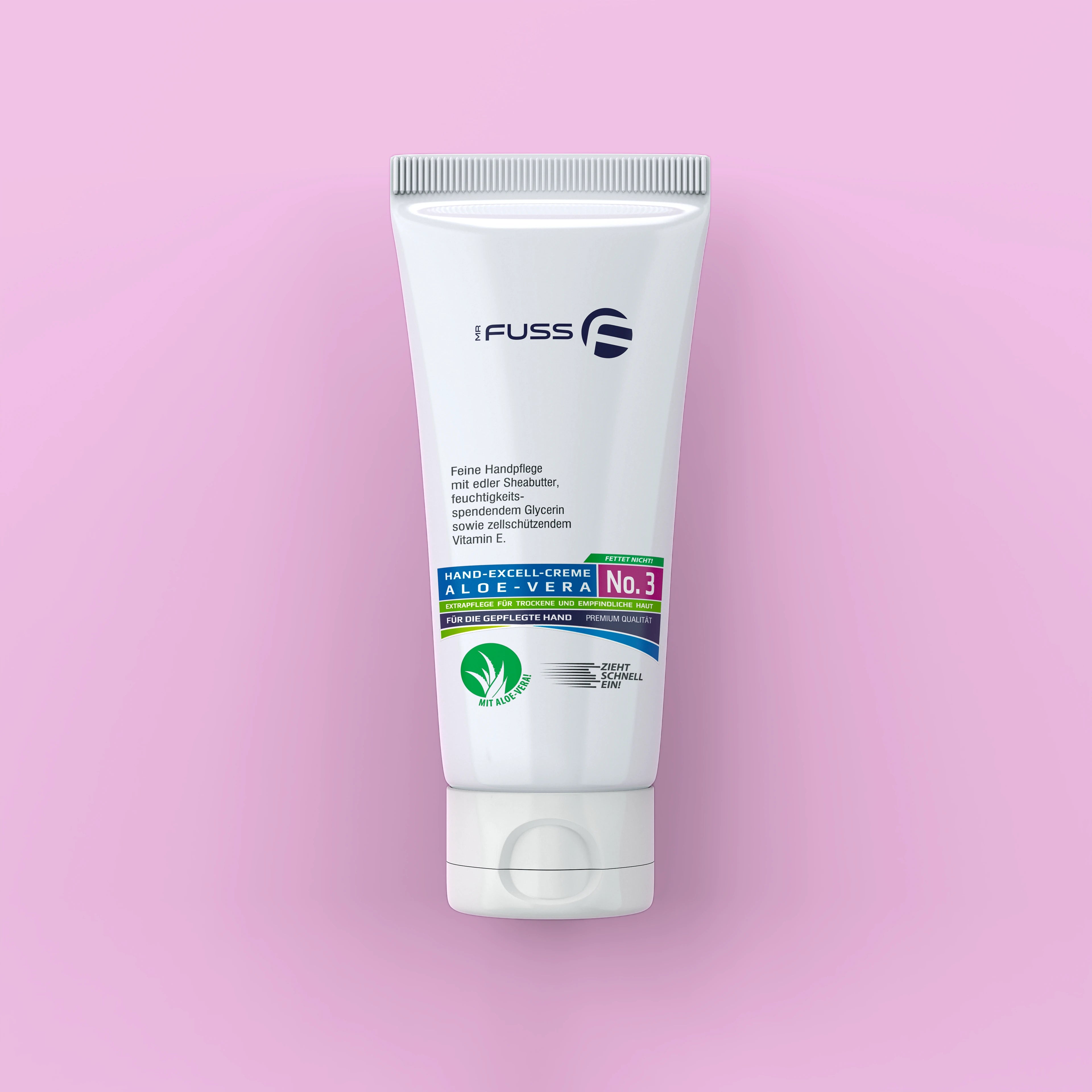
Mr. Fuss Tip: The Hand Excell Cream No. 3 was developed as the care step after the Callus Control Concept – specially for the hands. Luxurious shea butter, aloe vera and vitamin E supply the skin with deep moisture, absorb quickly and leave a silky-soft feeling. It is perfect after treatment with Active Solution No. 1 – and just as good as a daily hand care product for in between.

Get started straight away – the Starter Kit Excell
Anyone who doesn't want to think too long and wants to start immediately with a complete hand routine will find everything they need in the Starter Kit Excell – in one set, perfectly coordinated.

Active Solution No. 1 for gentle cuticle and callus removal, Hand Excell Cream No. 3 for intensive aftercare, plus the necessary application tools. Compact, well thought out and ready to use straight away – for everyone who finally wants to give their hands the attention they richly deserve.
Small habits that make a big difference
Alongside the actual routine, there are a few everyday habits that protect heavily used hands in the long term – without much effort.
Keep cream within reach
The cream you can't see is the cream you don't use. A tube on the washbasin, at the workplace or in a bag makes the difference – because it serves as a reminder to reapply cream in between, too.
Protective gloves for housework
When washing up or cleaning, rubber gloves help protect the skin from direct contact with cleaning products. Tip: cotton gloves underneath absorb sweat and prevent the damp environment inside the glove from putting additional strain on the skin.
Apply cream consistently in the evening
The evening is the best moment for intensive hand care. The hands won't be washed again, the cream can absorb undisturbed and work overnight. Anyone who follows this one habit consistently will notice a perceptible difference after just a few weeks.
Step it up in winter
Cold and dry heating air are no friends of hand care. In winter it is worth increasing the frequency of care – apply cream morning, midday and evening – and wear gloves outside to protect the skin from drying out.
When to see a doctor?
If hands remain persistently red, inflamed or painfully irritated despite consistent care, contact eczema may be the cause – an allergic or irritative reaction to certain substances. In this case, a visit to a dermatologist is advisable. Deep, bleeding cracks or persistent swelling should also be assessed by a doctor.
Conclusion: Hands that give a lot deserve a lot in return
Heavily used hands are not a problem you simply have to put up with. With the right routine – cleaning gently, treating cuticles and calluses carefully with Active Solution No. 1, nourishing intensively with Hand Excell Cream No. 3 – you can win back a real sense of wellbeing even with daily strain.

Anyone who wants to get started right away will find everything at once in the Starter Kit Excell. Your hands do something extraordinary every day – it's nice when you can tell.


Share:
Why Do Feet Smell? Causes, Tips, and What Really Helps
Diabetic Foot Care – What You Need to Pay Special Attention To