

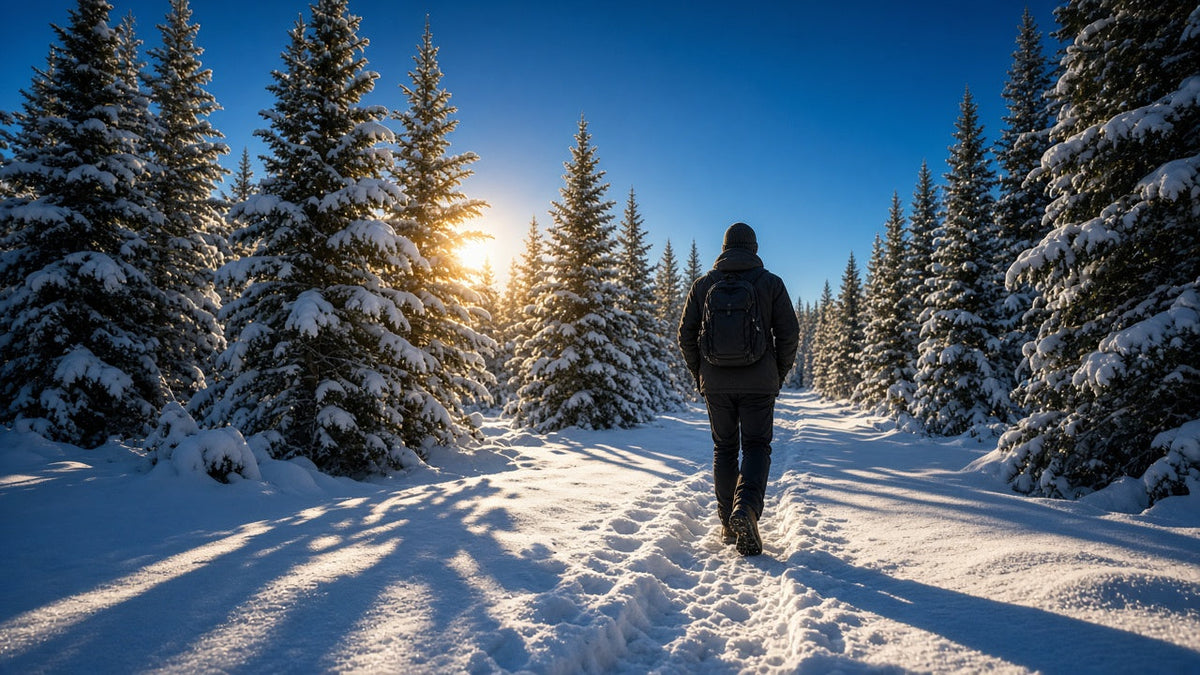
Sound familiar? The day on the slopes or in the snow was fantastic: sun, fresh air, glittering snow. And then comes the moment you unlace your boots. Your feet are damp, something has been pressing on your heel for hours, and your calves feel like you've spent the whole day climbing stairs. And the smell that greets you from your boots is something nobody wants to describe in detail.
Ski boots and thick winter boots are real hard work for your feet. They are tight, stiff, warmly lined and airtight. That's exactly what keeps you warm and stable outdoors, but it also makes pressure, sweat and odor a constant topic. The good news: with a little preparation and the right routine, you'll get through the winter season much more relaxed. Here's how.
Why are winter months so hard on your feet?
In summer, shoes breathe a little on their own. In winter, it's the other way around. Several things come together:
- Little air: Lined, waterproof shoes let hardly any moisture out. The sweat stays in the shoe.
- Tight fit: A ski boot has to fit snugly, otherwise you have no control over your skis. But that also means every little fold and every edge can become a pressure point.
- Hours of strain: You stand, bend your knees and hold the tension. Your feet and lower legs work without a break.
- Alternating cold and warmth: Frost outside, tiled stove in the lodge. That makes your feet sweat and then freeze.

Pressure points: when your boot pinches
Pressure points develop where skin, bone and shoe meet too tightly: on the shin, the ankle, the heel, the toes. With ski boots, there's the added factor that after a few days in the snow they fit differently than they did at the rental shop.
This helps:
- The right size. A ski boot should fit snugly, but your toes shouldn't hit the front. Get advice in a specialist shop, and ideally try the boots on in the late afternoon. Then your feet are a bit "thicker" than in the morning, just like after a long day.
- Just one pair of thin socks. Many people wear two pairs on top of each other to stay warmer. The opposite happens: the socks wrinkle, circulation suffers and your feet get cold faster. One good pair of ski socks made of merino wool or synthetic fiber is enough.
- No wrinkles. Smooth out your sock before you step in and make sure it doesn't slip or cut in at the top of the cuff.
- Don't overtighten the buckles. Adjust them so your foot sits firmly but isn't squeezed. During breaks, feel free to open them.
- Keep hard calluses under control. Thick calluses on the heel or ball of the foot can add pressure in a tight boot, because in one spot they act like a small pad that doesn't give way.
That's exactly what the 30HS Foot Cream with 30% Urea is for. Urea is a substance that binds moisture. At this high concentration, regular use helps soften hard calluses and gently loosen them. Evening primrose oil and propolis also care for the skin. The cream is meant for very dry and heavily calloused feet. If you apply it in the evening a few weeks before your ski vacation, you'll slip into your boots with smoother feet.
Sweating in your ski boots: why your foot stands in its own juice
Your feet are among the parts of the body with the most sweat glands. In a ski boot, sweat is hardly carried away, the sock gets damp, and damp feet cool down quickly during breaks. A rather unpleasant cycle: first heat, then cold feet.
A few things you can do yourself:
- Put on fresh, dry socks in the morning. Reusing them isn't a good idea, even if they "still look fine".
- Better to avoid cotton. It soaks up sweat but releases it only slowly. Merino wool and synthetic fibers wick moisture away better.
- Pack a second pair of dry socks in your backpack in case you want to change at lunchtime.
- Give your feet a little fresh air during your lunch break: open the buckles and air out your boots.
If your feet still sweat a lot, an antiperspirant can help. That's a product that reduces sweat production where you apply it. SUDOZERO Neo Antiperspirant contains aluminium chlorohydrate. This ingredient has an astringent effect and makes the sweat glands release less moisture. The spray is meant for feet, hands and underarms. Apply it to clean, dry skin and follow the instructions on the packaging. Especially before a ski day in heavy boots, it's a handy way to prepare.

Smelly shoes: what to do when your boots stink
Sweat itself hardly smells. The typical odor comes from bacteria that feel at home in a damp, warm shoe and break down the sweat. Ski boots and winter boots are the perfect home for them: warm, dark and rarely truly dry.
This is how you keep them fresh:
- Take out the liner. With ski boots, you can usually pull the liner out of the shell. That way both parts dry much better separately.
- Don't put them on the radiator. Too much heat ages the material and the glue. Better is a warm, airy spot with some distance from the radiator, or a boot dryer.
- Newspaper helps. Crumpled paper absorbs moisture. Change it after a few hours.
- Rotate your shoes. Even winter boots need a day off now and then.
- Counteract it directly. This is where our Shoe Deodorant Odour Eliminator enzyme-based comes in. It's made to neutralize odors instead of just masking them. Pump it once into a dry shoe, let it air out well, done. The Shoe Deodorant is meant for sneakers, work shoes, sports shoes and leather shoes. It's also a handy help for winter boots and textile liners.

Tired calves after a long day in the snow
In the evening, when the ski boots are off, you only realize how much your legs have done. A stiff ski boot holds your ankle in place, so your calves and shin muscles have to do the rest of the work. Winter hiking in the snow is similar: every step in deep snow takes more strength than on dry ground.
This is good for your legs after the day:
- Put your legs up. Ten to fifteen minutes with your feet on the arm of the sofa is often all you need.
- Stretch gently. Stand with your hands against the wall, one leg back, heel on the floor. Hold for twenty to thirty seconds, then switch.
- Warm foot bath. Warm water relaxes you and brings your feet back to life. Afterwards, dry them thoroughly, including between the toes.
- Drink enough. At altitude and in cold air, it's easy to forget.
- A short massage. Use your thumbs to stroke from the heel up along the calf.
Many people like to use the H3 Muscle Warming Cream with Cannabis & Devil's Claw for massaging. It contains cannabis and devil's claw, two plant-based ingredients traditionally used for muscles and joints. The cream provides a pleasant, mild warmth without an aggressive burning feeling and doesn't smell for long. At the same time, it cares for the skin. A small amount is enough; it's best to massage it in while your skin is still warm from the foot bath.

The 5 most common mistakes with ski boots and winter boots
- New shoes straight for the big day. Wear new boots a few times beforehand, ideally at home and on short walks.
- Socks that are too thick. More fabric doesn't mean more warmth, it often means more pressure.
- Packing damp shoes in the bag. Overnight, moisture creates odors. Take out the liners and let everything dry.
- Caring for your feet only on vacation. Calluses and dry skin are easier to manage if you start earlier.
- Ignoring small warning signs. If something burns or rubs in one spot, it helps to stop right away and take a look. A blister plaster takes only a few seconds. A big blister can ruin your whole vacation.
Special situations
Winter hiking with hiking boots
The same applies here: better one pair of warm, well-fitting socks than two that are too tight. When walking downhill, you can loosen the lacing at the front a little so your toes don't hit the front. And: dry spare socks in your backpack are the best remedy for cold feet on long tours.
Kids in ski boots
Children's feet grow fast. Check the fit of their ski boots at the start of the season and have a specialist shop check them once more rather than once too few.
After the ski day: après-ski
If you're still sitting in the lodge in the evening, take off your ski boots and slip into warm slippers or wool socks. Your feet have earned it.
Quick tips to take with you
- Before the season: care for calluses, test your shoes.
- On the ski day: one pair of thin, dry socks, buckles not too tight.
- In the evening: wash your feet, dry them thoroughly, take your shoes apart to dry.
- For odor: use the Shoe Deodorant and air out your shoes.
- For tired calves: put your legs up, stretch, massage gently.
Frequently asked questions
How long should ski boots dry?
At least one night. With very wet liners, it can take longer. Take them out of the shell for this and don't put them on the radiator.
Should I wear two pairs of socks on top of each other?
Better not. A single, well-fitting pair means fewer wrinkles, less pressure and better circulation than two pairs.
Can I also use the Shoe Deodorant in ski boots?
Yes, you can spray it into the dry liner and into the shell. Afterwards, let it dry well before you slip back in.
When is the best time to apply urea cream?
Ideally in the evening on clean feet, so it can absorb overnight. Leave out the skin between the toes. If you're just starting at the beginning of the season, it makes sense to begin a few weeks beforehand.
Conclusion
Ski season and winter hiking are lovely, but not exactly a spa for your feet. With fitting shoes, thin socks, a bit of care and a few steps in the evening, pressure points, sweat and odor stay much better under control. And after a day in the snow, your legs deserve a little attention, too.
By the way
You'll find all the products from this article in our shop, developed in Cologne, a Cologne original since 2002:
- 30HS Foot Cream with 30% Urea: for smooth feet before the season
- SUDOZERO Neo Antiperspirant: against heavy sweating
- Shoe Deodorant Odour Eliminator enzyme-based: against shoe odor
- H3 Muscle Warming Cream: for a pleasant warmth after the ski day
Note: This article does not replace medical advice. If you have diabetes or circulatory problems, or if your skin is broken, please seek medical advice before using foot care products. If you have persistent pain, swelling or skin changes, please get checked.



Share:
Rescue your winter feet: how your feet survive heated air and thick socks